Tag: ABA
-
5 Things ABA Professionals Can do to Get a Foot in the Door

For most ABA programmes, the ABA team will be working with other professionals (speech and language, occupational therapists, educational psychologists, schools, nurseries etc) and it’s important to have good relationships with these different fields. These professionals already have an established say in programmes around a child with special educational needs. In the UK, my experience is…
-
Manding for Information – Teaching WH Requests

Manding for information is an important skill. I ask questions all day. Manding for information refers to the process in which information becomes a conditioned reinforcer as it leads to an already established reinforcer. So basically, ask a question, and use the information to do/get something useful. Here’s an example; Learner: ‘where’s the iPad?’ (this…
-
High Expectations

Happy New Year everyone! Back to school in January is a busy time for all. Getting back in to the routine after the holidays is always tough, for adults and kids! The new year is often a time to update targets for a learner, new term, new targets and all that. When setting goals, it’s…
-
How to Sort Yourself Out – Self Management

Hopefully by now (if you’ve read any previous posts), you should have a little baseline knowledge about some of the principles of ABA. In this post, I’ll discuss a slightly different application of the principles – using them on yourself for your own behaviour. I recently saw Aubrey Daniels in London, king of OBM (organisational…
-
Make the Most of Behaviour Analysis
Behaviour analysis is so much more than the amazing work we do with individuals with autism. It’s reach is far and wide. We are all, everyone of us, governed by the principles of behaviour, and this is utilised in many fields. There is so much to learn, and I still am, and constantly will, learn…
-
Go on, Get Stuck in – 12 Messy Play ideas

Messy play is a right good laugh. It can serve many functions, whether it be a good pairing activity, a reinforcer, a good manding session, desensitising learners to textures, encouraging them to eat, and even incorporating goals through NET. It can all be done, and I for one, thoroughly enjoy getting a bit messy. Pinterest…
-
NET – Where Learning Should be Super Fun
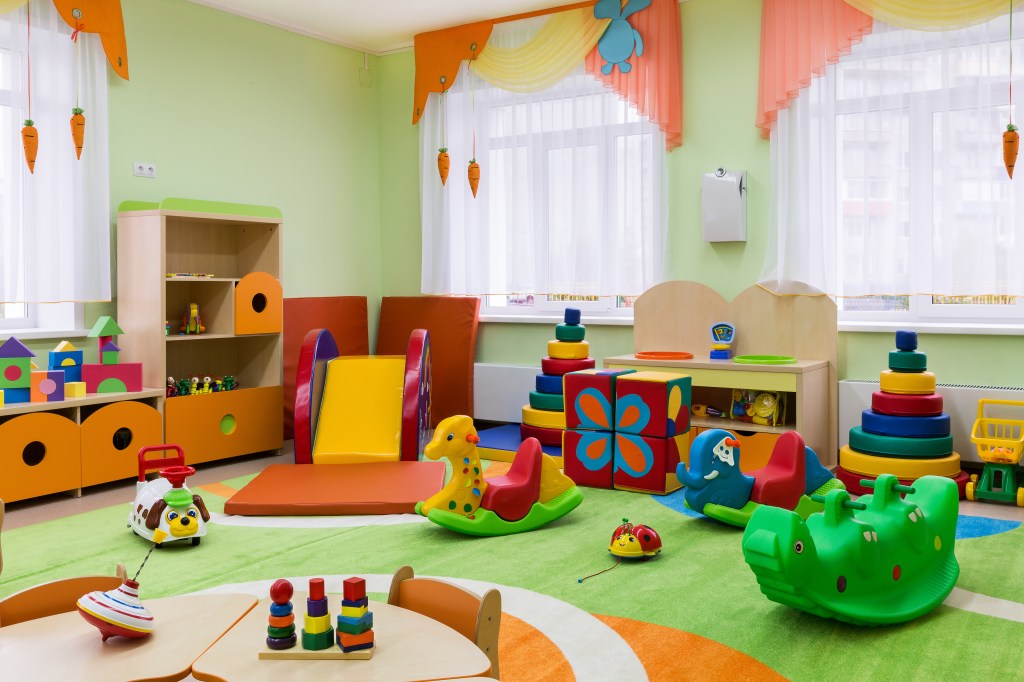
Hey! Apologies for the long silence. As many people reading this may know, September is a mad month! I should be back in the game now. A large part of most programmes should consist of natural environment teaching (NET). This refers to teaching in typically occurring daily events; basically learning away from the table/clinical setting.…
-
7 Teaching Procedures to Smash ITT

Table work, ITT (intensive table teaching), DTT (discrete trial training), are all ways of talking about working at the table. The following teaching procedures are taken from the excellent Carbone et al (2010) paper. These teaching procedures will make table sessions, and pretty much all teaching, more effective. Most importantly, they get your learner…
-
Leg it to the Table!

So, with some learners, it’s appropriate to be running ‘table sessions’. A table session is an intensive teaching period of many tasks to provide a lot of opportunities to teach targets. As a general rule, I wouldn’t run table sessions with pre school age children, as most of those programmes are based around natural environment…
-
Challenging Behaviour – Part 3

We should always keep the learners’ safety and dignity as paramount. It’s also important to rule out any medical issues when dealing with problem behaviour. One very important thing to consider when working on decreasing challenging behaviour is an extinction burst. An extinction burst basically means that when you start working on reducing problem…
 ABA Connect